
Moisture Control is the Key to Mold Control
| INTRODUCTION Concern about indoor exposure to mold has been increasing as the public becomes aware that exposure to mold can cause a variety of health effects and symptoms, including allergic reactions. This document presents guidelines for the remediation/cleanup of mold and moisture problems in schools and commercial buildings; these guidelines include measures designed to protect the health of building occupants and remediators. It has been designed primarily for building managers, custodians, and others who are responsible for commercial building and school maintenance. It should serve as a reference for potential mold and moisture remediators. Using this document, individuals with little or no experience with mold remediation should be able to make a reasonable judgment as to whether the situation can be handled in-house. It will help those in charge of maintenance to evaluate an in-house remediation plan or a remediation plan submitted by an outside contractor.1 Contractors and other professionals who respond to mold and moisture situations in commercial buildings and schools may also want to refer to these guidelines.
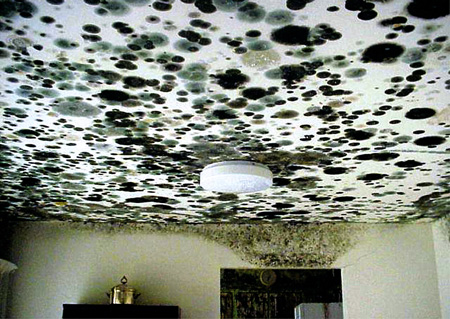
Many types of molds exist. All molds have the potential to cause health effects. Molds can produce allergens that can trigger allergic reactions or even asthma attacks in people allergic to mold. Others are known to produce potent toxins and/or irritants. Potential health concerns are an important reason to prevent mold growth and to remediate/clean up any existing indoor mold growth. Since mold requires water to grow, it is important to prevent moisture problems in buildings. Moisture problems can have many causes, including uncontrolled humidity. Some moisture problems in buildings have been linked to changes in building construction practices during the 1970s, 80s, and 90s. Some of these changes have resulted in buildings that are tightly sealed, but may lack adequate ventilation, potentially leading to moisture buildup. Building materials, such as drywall, may not allow moisture to escape easily. Moisture problems may include roof leaks, landscaping or gutters that direct water into or under the building, and unvented combustion appliances. Delayed maintenance or insufficient maintenance are also associated with moisture problems in schools and large buildings. Moisture problems in portable classrooms and other temporary structures have frequently been associated with mold problems. When mold growth occurs in buildings, adverse health problems may be reported by some building occupants, particularly those with allergies or respiratory problems. Remediators should avoid exposing themselves and others to mold-laden dusts as they conduct their cleanup activities. Caution should be used to prevent mold and mold spores from being dispersed throughout the air where they can be inhaled by building occupants. _________________ 1 If you choose to use outside contractors or professionals, make sure they have experience cleaning up mold, check their references, and have them follow the recommendations presented in this document, the guidelines of the American Conference of Government Industrial Hygienists (ACGIH) (see Resources List), and/or guidelines from other professional organizations.
|


IAQ Home
http://www.epa.gov/iaq/molds/intro.html April 2, 2001